This is default featured slide 1 title
Go to Blogger edit html and find these sentences.Now replace these sentences with your own descriptions.

This is default featured slide 2 title
Go to Blogger edit html and find these sentences.Now replace these sentences with your own descriptions.

MEMBELI HASIL PERTANIA
lepas ini bawa cili kulai guna kerata ini pula.Now replace these sentences with your own descriptions.

TANAH KITA
Pertanian Adalah Satu Perjuangan.

TANAH KITA
Go to Blogger edit html and find these sentences.Now replace these sentences with your own descriptions.
Tuesday, June 12, 2012
Pertanian organik
Pertanian organik ditakrifkan sebagai sistem pengurusan pengeluaran makanan holistik, yang menggalakkan dan meningkatkan kesihatan ekosistem pertanian, termasuk kepelbagaian bio, pusingan biologikal dan aktiviti biologikal tanah. Ia menekankan penggunaan amalan pengurusan dalam mengutamakan penggunaan input luar ladang, dengan mengambil kira keadaan wilayah yang memerlukan penggunaan sistem tempatan. Ini boleh dilakukan dengan menggunakan seberapa yang boleh, agronomi, kaedah mekanikal dan biologikal, bertentangan terhadap penggunaan bahan sintetik, untuk memenuhi sebarang fungsi khusus dalam sistem.
Melalui kaedah holistik semula jadi, pertanian organik menyatukan kepelbagaian bio liar, kepelbagaian bio pertanian dan pemuliharaan tanah, dan membawa pertanian satu langkah ke hadapan dengan menghapuskan penggunaan baja kimia, racun makhluk perosak dan organisma diubahsuai genetik (GMO), yang bukan hanya memperbaiki kesihatan manusia, tetapi juga flora dan fauna yang berkait dengan ladang dan alam sekitarnya. Pertanian organik menguatkan struktur tanah, memelihara air dan memastikan pemuliharaan dan penggunaan mapan kepelbagaian bio.

Monday, June 11, 2012
TANAMAN SECARA ORGANIK
PERCUBAAN UTK PKK TIMUN BATANG 100% KAWALAN ORGANIK


PERCUBAAN UTK POKOK TERUNG DGN KAWALAN SERANGGA 100% ORGANIK


Monday, May 28, 2012
kaedah tanaman organik
Hari ini tanah kita akan cuba mengunakan kaedah Organik semaksima yang boleh sehingga tercapai 100% dalam tanaman ferigasi.setelah sekian lama projek ini tergendala Di sebabkan kekuragan pekerja.mungkin pada mulanya TANAH KITA akan dapatkan bekalan Dari rakan rakan terdekat.TANAH KITA juga telah Berbicang dengan pengamal pengamal Organik utk memperolehi tanaman yg mengunakan 100% kaedah organik.Di harap dgn usaha ini dapatlah TANAH KITA membekalkan hasil tanaman yg bebas racun kimia serta membantu mendapatkan.makanan yg bersih suci lagi halal.
Tuesday, May 22, 2012
VITEX
VITEX
Adalah hormon semulajadi yang berevolusi tinggi bagi meningkatkan hasil susu getah tanpa merosakan pokok.
KELEBIHAN VITEX
-meningkatkan mutu kandugan getah kering(DRC)30- 38% tanpa kesan sampingan
-meningkatkan pengeluaran susu getah dari 50% sehingga 200%
-menyuburkan pokok getah supaya daun bertambah banyak dan hijau
-menambah ketebalan dan melembutkan kulit pokok getah supaya memudahkan kerja menoreh.
-keberkesanan keatas kebanyakan klon pokok getah.
-mesra alam (tidak mencemarkan alam sekitar.)
-kos yg efektif
-di jamin 100% selamat dan di perkaya dengan nuterinyang di perlukan oleh pokok getah.
APA YANG ANDA AKAN PEROLEHI DARI VITEX
-menyembuhkan pokok kering kulit
-meningkatkan mutu kandugan getah kering(DRC)30- 38%
-mengandakan pendapatan secara nyata.
-pengeluaran susu getah dari 50% sehingga 200%
Adalah hormon semulajadi yang berevolusi tinggi bagi meningkatkan hasil susu getah tanpa merosakan pokok.
KELEBIHAN VITEX
-meningkatkan mutu kandugan getah kering(DRC)30- 38% tanpa kesan sampingan
-meningkatkan pengeluaran susu getah dari 50% sehingga 200%
-menyuburkan pokok getah supaya daun bertambah banyak dan hijau
-menambah ketebalan dan melembutkan kulit pokok getah supaya memudahkan kerja menoreh.
-keberkesanan keatas kebanyakan klon pokok getah.
-mesra alam (tidak mencemarkan alam sekitar.)
-kos yg efektif
-di jamin 100% selamat dan di perkaya dengan nuterinyang di perlukan oleh pokok getah.
APA YANG ANDA AKAN PEROLEHI DARI VITEX
-menyembuhkan pokok kering kulit
-meningkatkan mutu kandugan getah kering(DRC)30- 38%
-mengandakan pendapatan secara nyata.
-pengeluaran susu getah dari 50% sehingga 200%
Thursday, May 3, 2012
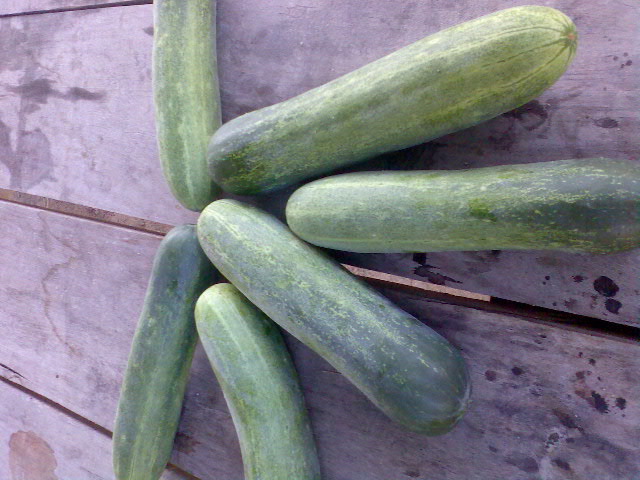
timun batang


ar borong
Monday, April 30, 2012
PERJUANGAN YG BELUM SELESAI
Setelah memperolehi dana utk meneruskan projek2 pertanian yg terbengkalai TANAH KITA akan terus melaksanakan misi yg belum selesai ,lepas ini TANAH KITA tidak akan memperdulikan masalah2 yg berpunca dari org lain yg telah membuatkan TANAH KITA jatuh tersungkur sehingga 30 april 2012 .Mulai hari ini 1 may 2012 segala usaha akan di jalankan dan di perhalusi sebaik2 nya .
Sunday, April 3, 2011
jentera @ manusia
Saya tgh buat satu rekabentuk untuk kerja2 yg dapat membantu mengurangkan tenaga kerja dari manusia.di ladang fertigasi.jentera ini mesti tidak melebihi 4 kaki lebar .jentera ini di harap dapat membantu kerja meracun ,merumput dan membawa hasil ke tempat pengumpulan .di jangka kos pembuatan jentera ini akan memerlukan modal sebanyak rm 8000.
untuk keluasan 3 ekar saya rasa mmg berbaloi untuk mengunakannya.kerana
seorang pekerja ladang gaji = 800/bln
jika 3 ekar = 3 x 800= 2400/bln
jika ada jentera ini hanya perlu 1 pekerja
gaji pekerja = 800 sahaja utk 3 ekar
jadi 2400 - 800 = 1600
1600 sudah jimat / bln .
jentera buat kerja ikut arahan tetapi manusia punya hati dan perasaan .
untuk keluasan 3 ekar saya rasa mmg berbaloi untuk mengunakannya.kerana
seorang pekerja ladang gaji = 800/bln
jika 3 ekar = 3 x 800= 2400/bln
jika ada jentera ini hanya perlu 1 pekerja
gaji pekerja = 800 sahaja utk 3 ekar
jadi 2400 - 800 = 1600
1600 sudah jimat / bln .
jentera buat kerja ikut arahan tetapi manusia punya hati dan perasaan .
Subscribe to:
Posts (Atom)


